
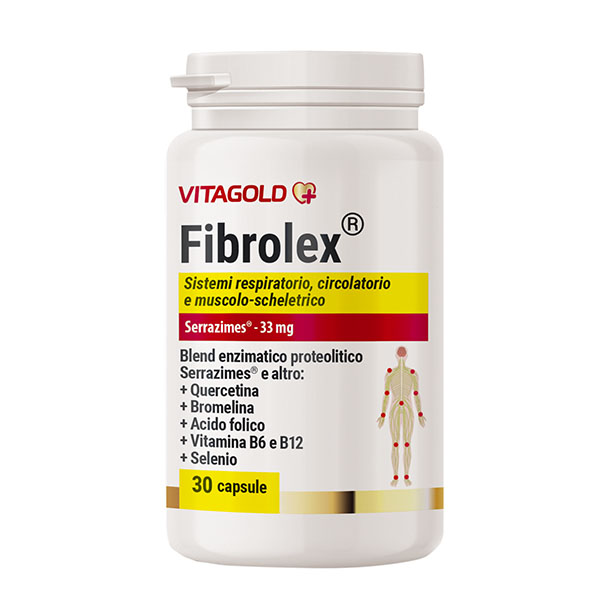
Fibrolex, 30 capsules
23,90 €
A revolutionary combination of enzymes, bioflavonoids, vitamins, and minerals for a healthy respiratory system, heart, blood vessels, joints, and muscles!
Proteolytic enzyme therapy is gaining wider application for various conditions and diseases. Fibrolex® contains a patented high-activity proteolytic enzyme blend, powerful antioxidants, vitamins, and minerals that can quickly, effectively, and safely relieve numerous symptoms associated with inflammation and disorders in multiple body systems. Here are the key benefits of taking Fibrolex®:
- Supports respiratory system and lung function
- Reduces the risk of fibrosis and adhesions in lung tissue after lung inflammations
- Decreases inflammatory processes in the body and aids recovery
- Supports heart and blood vessel function, reducing the risk of thrombus formation
- Alleviates pain and swelling from musculoskeletal injuries
- Prevents lung congestion by promoting the clearance of accumulated secretions
- Improves the condition of blood vessels and reduces the formation of atherosclerotic plaques
- Boosts immunity
What does Fibrolex® contain?
Composition per 1 capsule:
- Serrazimes – 33 mg (activity 606,000 U/g)
- Quercetin – 110 mg
- Bromelain – 220 mg (activity 1200 GDU/g)
- Folic Acid – 70 µg
- Vitamin B6 – 0.5 mg
- Vitamin B12 – 1 µg
- Selenium – 20 µg
How to take Fibrolex®
It is recommended to take 1 capsule three times a day, 30 minutes before or 2 hours after meals.
- The product uses special DR-plant-based enteric-resistant capsules that protect enzymes from the stomach’s harsh environment, ensuring maximum and effective enzyme activity.
How do the active ingredients work?
Serrazimes®
Serrazimes® is a patented proteolytic enzyme blend proven to break down protein substrates in a manner similar to serrapeptase. This exceptional proteolytic enzyme blend is designed to support the respiratory, immune, cardiovascular, and musculoskeletal systems.
Proteolytic enzymes can break down specific proteins associated with inflammation. They have proven anti-inflammatory, anti-edema, and pain-relieving effects. Due to their fibrinolytic activity, they break down coagulated fibrins into shorter fragments, reducing exudate formation during inflammation, improving lymphatic and blood flow, reducing inflammation sites, and speeding recovery. They also inhibit the synthesis of bradykinin, histamine, and other inflammatory mediators, further reducing pain symptoms.
In many lung infections, there is an increased risk of pulmonary fibrosis and reduced respiratory capacity. Proteolytic enzymes break down non-functional tissues, such as coagulated fibrins during inflammation, reducing the likelihood of pulmonary fibrosis during and after the infection. They also enhance the natural fibrinolytic activity of plasmin, lowering the risk of thrombus formation.
Quercetin
Quercetin is a plant flavonoid with numerous health benefits. It is a powerful antioxidant and a natural anti-inflammatory. Recent studies suggest quercetin can inhibit the spread and replication of many RNA viruses, making it highly effective during periods of increased viral and respiratory infections.
Quercetin’s anti-inflammatory effect is achieved by stimulating the production of anti-inflammatory cytokines while balancing the immune system according to the body’s needs, aiding in fighting viral and bacterial infections.
As a potent antioxidant, quercetin protects cells from oxidative stress, supports normal heart and blood vessel function, and reduces the risk of cardiovascular events such as stroke and heart attack.
Quercetin is among the most promising natural remedies, continually revealing its potential and health benefits for all body systems.
Bromelain
Bromelain is an enzyme found in pineapple. It has proteolytic properties and aids in protein digestion. Bromelain supports gastrointestinal function, boosts the immune system, and reduces chronic inflammation. It aids digestion, reduces gas and bloating, and promotes overall gut health.
Bromelain supports fibrinolysis, preventing the formation of edema and hematomas. It has anti-inflammatory and pain-relieving effects, linked to the inhibition of inflammatory mediators. It also promotes re-epithelialization in skin injuries.
Folic Acid
Folic acid plays a vital role in cell division processes and contributes to the synthesis of nucleic acids. It supports the normal function of the nervous and musculoskeletal systems.
Vitamin B6
Vitamin B6 is crucial for cellular metabolism. It participates in the synthesis of dopamine, serotonin, and gamma-aminobutyric acid, converting certain amino acids into neurotransmitters.
Vitamin B12
Vitamin B12 supports normal brain function and the neuromuscular system.
The combination of folic acid, vitamin B6, and vitamin B12 reduces blood homocysteine levels, thereby lowering the risk of atherosclerotic plaque formation and reducing the likelihood of stroke and heart attack.
Selenium
Selenium is a vital microelement necessary for the body’s normal functioning. As foods are often low in selenium, supplementation is essential. Selenium is a critical component of many enzyme systems, playing a significant role in various metabolic processes. It boosts the immune system, enhancing resistance to viruses and other pathogens. Recent research shows a direct link between RNA virus aggressiveness and selenium deficiency, as well as the ability of viruses to deplete serum selenium levels, creating a deficiency. Adequate selenium intake is essential for fighting viruses. Selenium is a powerful antioxidant, strengthening immune defense, crucial during frequent viral infections. It supports normal respiratory and lung function, essential against respiratory viruses. Selenium also contributes to thyroid hormone synthesis and its normal function. Additionally, it benefits cardiovascular health, supports spermatogenesis, promotes healthy hair and nails, and slows aging.
When is Fibrolex® recommended?
- Inflammatory lung conditions (acute and recovery phases)
- Post-trauma and surgical recovery
- Osteoarthritis
- Atherosclerosis
- Slow-healing wounds and scars
- Increased blood clotting tendency
- Elevated risk of cerebrovascular events
- Dental procedures (tooth extractions)
- High physical exertion
- Asthma and bronchitis
- Sinusitis


Reviews
There are no reviews yet.